
Introduction
An ADC is a coalition of non-profit organisations, non-governmental organisations, and disability networks committed to advancing the rights, inclusion, and well-being of children with disabilities across Sub-Saharan Africa. The collaboration was officially launched in March 2023 at the Kyaninga Child Development Centre in Fort Portal, Uganda. ADC focuses on promoting inclusive communities through equitable access to education, healthcare, rehabilitation, and early intervention services for children with disabilities. The collaboration currently brings together partners from Kenya, Uganda, Tanzania, and Malawi.
The fourth ADC Summit was hosted by Fount for Nations (FFN) in Lilongwe, Malawi, from 14 to 16 July 2026. The theme for this year was, “Early Action- A Strong Start to Rehabilitation in Africa.” The three-day event brought together policymakers, government representatives, therapists, researchers, disability organisations, and other stakeholders from across Africa to share knowledge, experiences, and promising practices in early intervention and disability inclusion. The Summit was organised by FFN in collaboration with the Ministry of Gender, Children, Disability and Social Welfare and other key stakeholders, including St John of God Hospitaller Services (SJOG). The activity was attended by 24 organisations from Malawi, Kenya, Uganda, and Tanzania.
Learning Visit and Exhibition at Likuni Mission Hospital
On 14 July 2026 there was a learning visit and exhibition of Early Intervention Initiatives at Likuni Mission Hospital. SJOG through CBM project and other projects, showcased its integrated approach to supporting children with disabilities, highlighting interventions in early identification and intervention, health and rehabilitation, inclusive education, vocational skills development, and community-based support.
The learning visit was attended by several dignitaries, including the Guest of Honour, Honourable Mrs Leah Khadija Chunga, Member of Parliament for Lilongwe Central Likuni Constituency. The guest of honour reaffirmed the Government of Malawi’s commitment to promoting the rights and well-being of persons with disabilities, including through increased investment in disability-related initiatives and financing mechanisms such as the Disability Trust Fund.
Official Opening of the ADC Summit
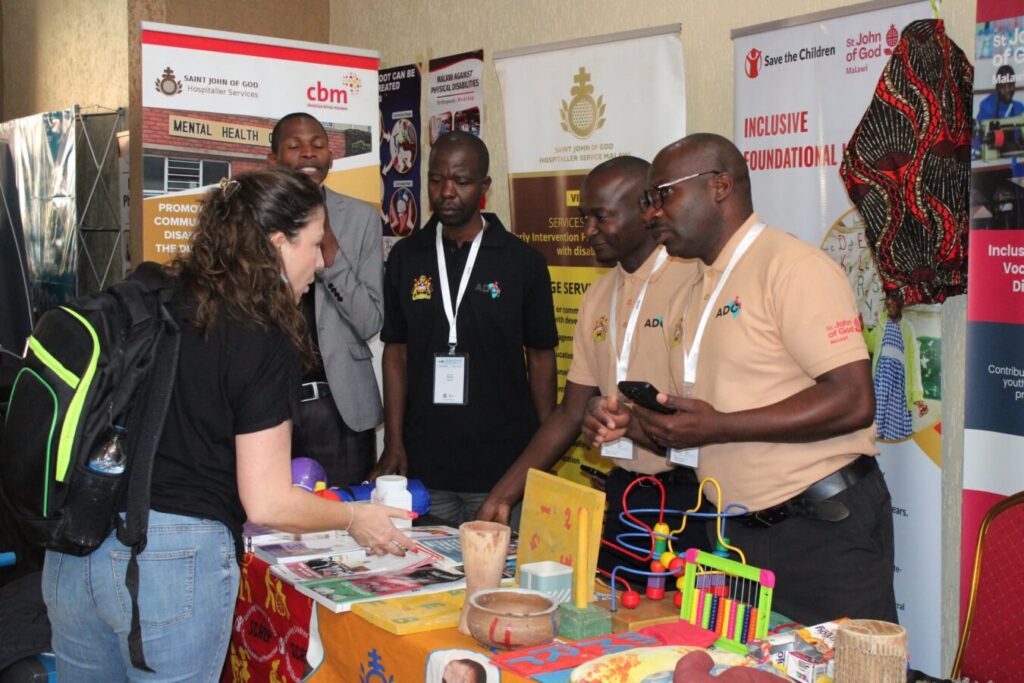
On 15 July 2026, the ADC Summit was officially launched at Crossroads Hotel in Lilongwe, with the Deputy Minister of Education, Mr Francis Folley, serving as Guest of Honour. The official opening was preceded by a tour of the exhibition pavilions, where SJOG showcased its early intervention and disability inclusion initiatives. SJOG staff, including CBM project staff, engaged stakeholders and shared experiences on interventions in health and rehabilitation, inclusive education, community-based support, and advocacy for the rights of children with disabilities. The Summit provided an important platform for cross-country learning through panel discussions involving experts from Malawi, Tanzania, Uganda, and Kenya.