
Nutrition Status of People Experiencing Homelessness Living in Temporary Accommodation in London
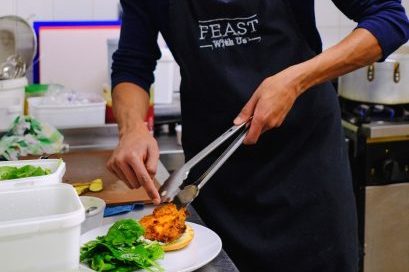
This picture is reinforced by a 2025 UCL study conducted in partnership with Feast with Us, which examined the nutrition and wellbeing of people experiencing homelessness living in temporary accommodation across 18 hostels including SJOG’s Olallo House in London.
It found that 60% of participants were at risk of malnutrition and that intakes of key nutrients such as vitamin D, iron, folate, and calcium were low. More than half reported moderate to severe depression or anxiety.
The UCL study also included the experiences of people supported at Olallo House, where Hannah Style and colleagues assessed malnutrition risk, diet quality, mental health, and food security. Their impact report shows that improving nutrition is challenging but possible.
Olallo House provides accommodation and specialist support to street homeless men and women, survivors of modern-day slavery, and patients recovering from TB. As part of support, residents receive three nutritious, in-house–prepared meals every day, recognising that access to a warm cooked meal is central to health, wellbeing, and safety.
The study highlights an urgent need for improved food environments, better-quality donated foods, and enhanced nutrition support, and SJOG echoes its recommendations, including stronger charity partnerships, routine nutrition screening, and closer collaboration with healthcare professionals.
January 2026